
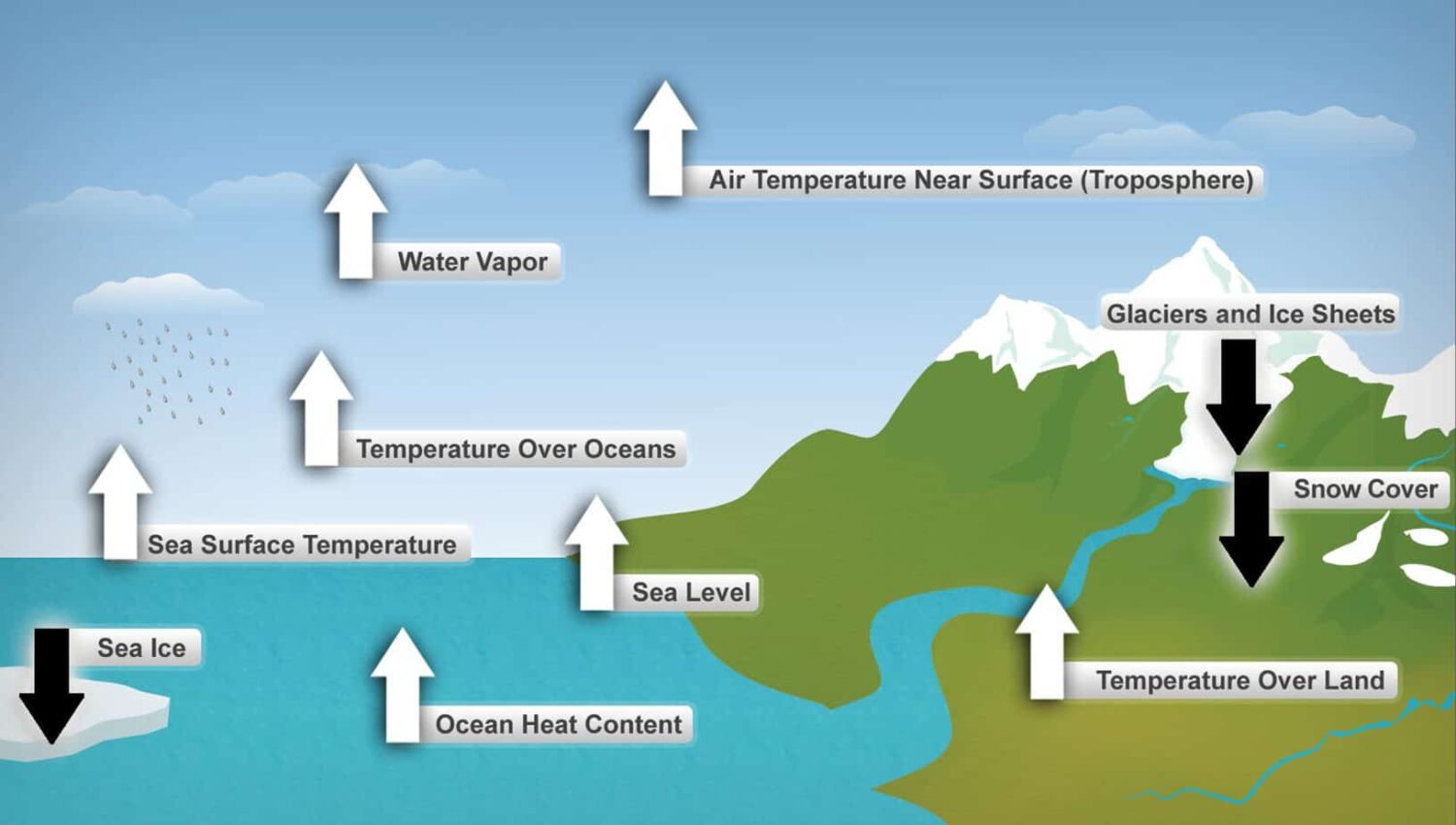
The National Climate Assessment, an important report on the impacts on climate change in the United States today and in the future, was released by the White House today. The report was produced by a team of 300 experts guided by a 60-member Federal Advisory Committee and reviewed by the public and experts which included individuals from federal agencies and a panel of the National Academy of Sciences. The report begins with the sobering statement, “Climate change, once considered an issue for a distant future, has moved firmly into the present…. Americans are noticing changes all around them. Summers are longer and hotter, and extended periods of unusual heat last longer than any living American has ever experienced. Winters are generally shorter and warmer. Rain comes in heavier downpours. People are seeing changes in the length and severity of seasonal allergies, the plant varieties that thrive in their gardens, and the kinds of birds they see in any particular month in their neighborhoods.”
Users to the National Climate Assessment site can choose between exploring the highlights of the report or delving more deeply into the full report. The report is divided up into twelve sections that includes exploring the impact of climate change in such areas as extreme weather, human health, water supply, and agriculture. Users can also opt for the regional overview that details how climate change is affecting each region of the United States. For example, the overview for the Southwest is region warns that, “Increased heat, drought, and insect outbreaks, all linked to climate change, have increased wildfires. Declining water supplies, reduced agricultural yields, health impacts in cities due to heat, and flooding and erosion in coastal areas are additional concerns.”
Visit: National Climate Assessment

