
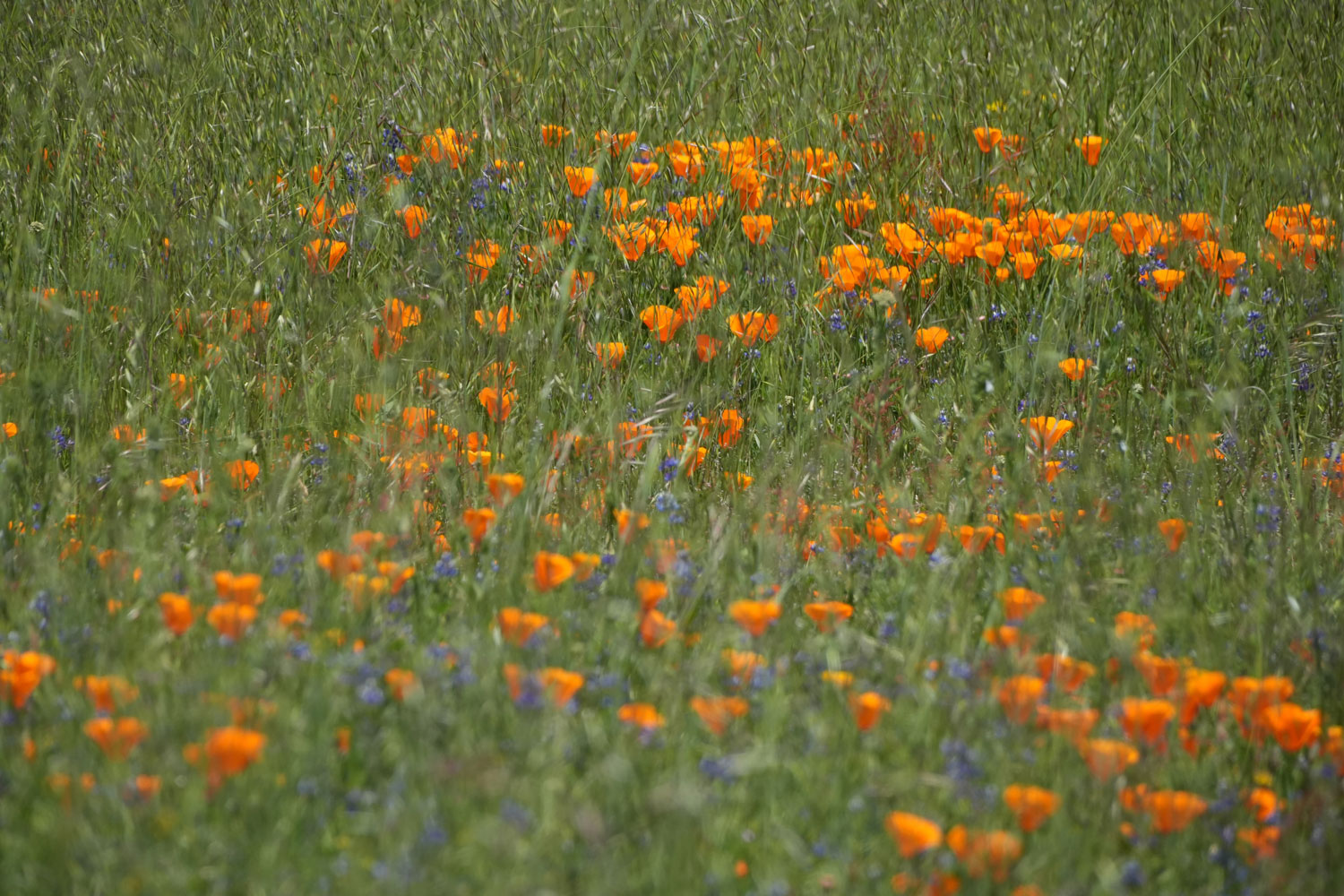
A superbloom is a rare event in which unusually favorable weather causes millions of dormant wildflowers to bloom simultaneously across a landscape. While the term is most often associated with the deserts of Southern California and Arizona, other parts of the United States experience spectacular seasonal wildflower displays driven by their own climate and geography.
Superblooms develop when favorable rainfall, temperature, and other environmental conditions trigger the simultaneous germination of vast numbers of dormant wildflower seeds. In the United States, there are several regions that are known for their superblooms and other magnificent displays of wildflowers each spring.
Superblooms in California
Superblooms are a desert phenomenon mostly found in Southern California. The region is known for its arid climate, with hot summers and mild winters. Most of the rainfall in Southern California occurs during the winter months, which allows wildflowers to grow and bloom in the spring.
Some of the most popular places to witness superblooms in Southern California include the Antelope Valley California Poppy Reserve, Anza-Borrego Desert State Park, Joshua Tree National Park, and Carrizo Plain National Monument, where favorable rainfall can transform the grasslands surrounding Soda Lake into one of California’s largest wildflower displays.
Antelope Valley California Poppy Reserve
The Antelope Valley California Poppy Reserve is located in northern Los Angeles County and is home to the largest contiguous population of California poppies, which are the state flower.

The park covers over 1,700 acres and attracts thousands of visitors each year during the peak blooming season. Other wildflowers that can be seen at the reserve include lupines, goldfields, and cream cups.

Anza-Borrego Desert State Park
Anza-Borrego Desert State Park is located in eastern San Diego County and is the largest state park in California. The park covers over 600,000 acres and is home to a variety of desert plant and animal species, including several species of cacti and wildflowers.

The park is especially popular during the spring wildflower season when a variety of flowers, including desert lilies, verbena, and sand verbena, can be seen blooming throughout the park.
Carrizo Plain
Carrizo Plain National Monument protects one of California’s largest remaining native grasslands. During exceptional rainfall years, the grasslands surrounding Soda Lake can erupt into one of the state’s largest and most spectacular superblooms, featuring dense displays of goldfields, tidy tips, California poppies, and purple phacelia.
Joshua Tree National Park
Joshua Tree National Park is located in southeastern California and is known for its unique desert landscape and iconic Joshua trees. The park covers over 790,000 acres and is home to several species of wildflowers, including Mojave aster, desert marigold, and Indian paintbrush.

Joshua Tree is especially popular during the spring when the wildflowers are in bloom, and the landscape is awash with color.
Death Valley
Death Valley National Park is known to experience superblooms about every ten years or so. The park is located in eastern California and is known for its extreme desert landscape, with temperatures that can reach up to 130°F in the summer months. However, the park also receives occasional winter rains that can cause wildflowers to bloom in the spring.
Unlike annual spring wildflower displays, true desert superblooms are unpredictable. They occur only when a sequence of favorable conditions aligns, including sufficient autumn and winter rainfall, gradual spring warming, and weather that allows seedlings to mature without being damaged by drought, flooding, or strong winds. As a result, some years produce only scattered blooms while others transform entire valleys into carpets of wildflowers.
Death Valley experienced notable wildflower displays in both 2016 and 2024 following unusually wet conditions, illustrating how rare weather patterns can temporarily transform one of North America’s driest landscapes.
The bloom was so widespread that it could be seen from space, and the park received an unprecedented number of visitors during the peak blooming season.

Visitors to the park are encouraged to check park websites and social media accounts for updates on current wildflower conditions and to follow Leave No Trace principles while exploring the park.
Superblooms in Arizona
Another state that is known for its wildflower season is Arizona. The state has a diverse landscape, ranging from deserts to forests. The wildflower season in Arizona typically occurs from late February to early May, depending on the elevation and location.
Like California, Arizona’s most impressive blooms occur in the Sonoran Desert following wetter-than-average winters, although bloom intensity varies considerably from year to year depending on rainfall patterns.
Some of the best places to see wildflowers in bloom in Arizona include the Superstition Mountains, Picacho Peak State Park, and the Sonoran Desert National Monument.
Superstition Mountains
The Superstition Mountains are located east of Phoenix and are known for their rugged beauty and desert landscape. The area is home to several species of cacti, including saguaro, cholla, and prickly pear, as well as several species of wildflowers, including Mexican gold poppies, lupines, and desert marigolds.
Picacho Peak State Park
Picacho Peak State Park is located between Phoenix and Tucson and is known for its stunning wildflower displays during the spring. The park covers over 3,000 acres and is home to a variety of plant and animal species, including several species of cacti and wildflowers. The park is especially popular during the spring when the hillsides are covered in poppies, lupines, and other wildflowers.
The Sonoran Desert National Monument is located south of Phoenix and is home to a variety of desert plant and animal species, including several species of cacti and wildflowers. The monument covers over 487,000 acres and is known for its stunning wildflower displays during the spring. Some of the most popular wildflowers that can be seen at the monument include Mexican gold poppies, desert marigolds, and lupines.
Western states with notable wildflower seasons
While true superblooms are primarily associated with the deserts of California and Arizona, many other western states experience spectacular seasonal wildflower displays of their own.
Texas
While Texas does not experience true desert superblooms, it is famous for its spectacular spring wildflower season. Texas is home to a wide variety of wildflowers, including bluebonnets, Indian paintbrush, and primroses. The wildflower season in Texas typically occurs from March to May, depending on the location.
Some of the best places to view wildflowers in Texas include the Texas Hill Country, Ennis Bluebonnet Trail, and Big Bend National Park.
The Texas Hill Country
The Texas Hill Country is located in central Texas and is known for its rugged terrain, rolling hills, and spring wildflowers. The area is home to several species of wildflowers, including bluebonnets, Indian paintbrush, and primroses, and attracts visitors from all over the state during the peak blooming season.
Ennis Bluebonnet Trail
The Ennis Bluebonnet Trail is located just south of Dallas and is known for its stunning displays of bluebonnets during the spring. The trail covers over 40 miles and winds through several small towns and rural areas, providing visitors with the opportunity to see thousands of bluebonnets in bloom.
Big Bend National Park
Big Bend National Park is located in southwestern Texas and is known for its stunning desert landscape and rugged mountains.

The park covers over 800,000 acres and is home to several species of desert wildflowers, including Big Bend bluebonnets, desert marigolds, and ocotillo. The park is especially popular during the spring when the wildflowers are in bloom, and the landscape is awash with color.
Colorado’s alpine wildflower season
The wildflower season in Colorado typically occurs from June to August, depending on the location and elevation. Some of the best events and places to witness wildflowers in Colorado include the Crested Butte Wildflower Festival, Rocky Mountain National Park, and the San Juan Mountains.
Crested Butte Wildflower Festival
The Crested Butte Wildflower Festival is held annually in July and is known for its stunning displays of wildflowers, including lupines, Indian paintbrush, and columbine.
The festival attracts visitors from all over the world and offers guided tours, workshops, and other events focused on the natural beauty of the area.
Rocky Mountain National Park
Rocky Mountain National Park is located in northern Colorado and is known for its stunning mountain landscape and diverse range of plant and animal species.
The park covers over 415 square miles and is home to several species of wildflowers, including alpine sunflowers, Indian paintbrush, and blue columbine. The park is especially popular during the summer when the wildflowers are in bloom.

San Juan Mountains wildflowers
The San Juan Mountains are located in southwestern Colorado and are known for their rugged beauty and stunning wildflowers. The area is home to several species of wildflowers, including lupines, Indian paintbrush, and columbine, and attracts visitors from all over the world during the peak blooming season.
Why superblooms are unpredictable
The timing and intensity of a superbloom depend on a delicate combination of weather conditions that can vary dramatically from year to year. While wetter winters often increase the chances of exceptional blooms, temperature, soil moisture, cloud cover, and the absence of damaging winds all play important roles. Climate variability is also influencing bloom timing in many regions, making each spectacular display a unique event rather than a guaranteed annual occurrence.
References
2023 spring season may bring spectacular Wildflower blooms—and crowds—to state parks. (2023, February 10). CA State Parks. https://www.parks.ca.gov/NewsRelease/1149
Patel, K. (2020, April 28). Orange you glad it’s spring? NASA Earth Observatory. https://earthobservatory.nasa.gov/images/146642/orange-you-glad-its-spring
Wildflower seasons – Death Valley National Park. (n.d.). NPS.gov . https://www.nps.gov/deva/learn/nature/wildflowers.htm
Williams, L. (2019, April 5). NASA aircraft captures images of Antelope Valley, calif Superbloom. NASA. https://www.nasa.gov/centers/armstrong/features/nasa-aircraft-captures-antelope-valley-superbloom.html
This article was originally written on March 13, 2023 and has since been updated.
