
Physical Geography
Physical geography focuses on geography as an Earth science (and is sometimes called Earth System Science).
Physical geography is a branch of geography that focuses on the study of the natural features and processes of the Earth’s surface. It includes the examination of landforms, climate, vegetation, soils, and water resources. Physical geographers use a range of scientific methods and tools to analyze and understand the complex interactions between the Earth’s physical systems.
Learn about the different branches of geography that fall under the physical geography category: climatology, geomorphology, biogeography, and more.

Life at the Entrance to the Arctic Ocean
Researchers traveled to the Chukchi Borderlands to learn more about deep ocean life at the entrance to the Arctic Ocean.

The Greenland Ice Sheet Has Lost 3.8 Trillion Tons of Ice
A new report analyzed 26 satellite datasets to track ice loss for the Greenland Ice Sheet.

Sunny Day Flooding is Increasing
Research has shown that the instances of tidal flooding have increased on the Atlantic, Pacific, and Gulf coasts of the United States.

Review | The Citizen’s Guide to Climate Success
This is a most useful primer on climate change and its consequences.

Do Bison Influence the Spring Season?
Researchers took a look at the foraging behavior of Yellowstone’s bison (Bison bison) to see how well their grazing behavior fits with the Green Wave Hypothesis.

How Wildfires are Changing Boreal Forests and Increasing Emissions
Boreal forests are changing along with our climate.

Lowest Natural Point in Japan
At 4 m (13 ft), Lake Hachirō in Akita Prefecture in northern Japan is the lowest natural point in Japan.

Where Does the Earth Store All Its Carbon?
It is estimated that 1.845 billion billion metric tons of carbon are settled in mantle and crust, while only 43,500 billion tons can be found on the surface.

Looking at Centuries of California’s Climate to Understand Fire Risk
Researchers examined moisture patterns and atmospheric wind conditions in California using climate models and centuries of paleoclimate data (from 1571 to 2013).

South Atlantic Humpback Whale Population Rebounds from Near-Extinction
Recent research and updated methods of counting and tracking whale populations has shown an increase in humpback numbers located in the South Atlantic.

Arctic Permafrost is Now Releasing More Carbon Than it Stores
The researchers found that the Arctic region has transitioned from a carbon sink to a source of carbon emissions.
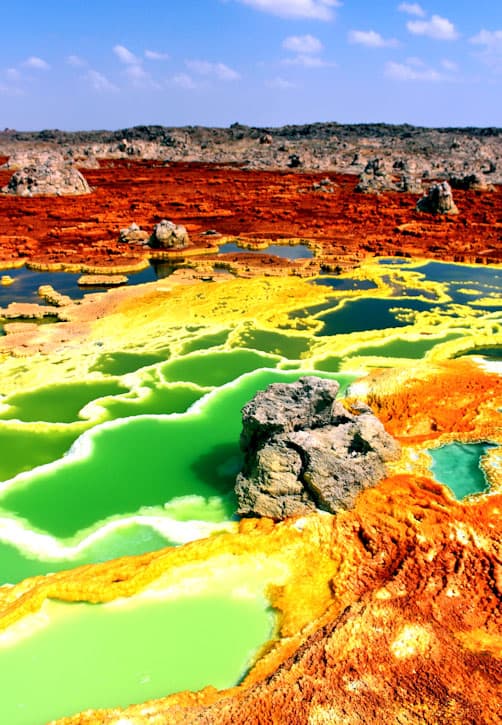
A Place on Earth Where No Life Exists
Researchers recently discovered at least one location on Earth that lacks any discernible life forms.

How New York City is Protecting Its Subway System Against Flooding
A flex-gate is a highly flexible covering that can be quickly deployed to protect a subway's entrance and underground structures in the event of a flood.

View From Space: Australia’s Wildfires
The Moderate Resolution Imaging Spectroradiometer (MODIS) on NASA’s Aqua satellite acquired a natural-color image acquired this image of smoke rising from wildfires burning in New South Wales (NSW) and Queensland.

Small-scale Deforestation is on the Rise in the Amazon
Researchers analyzed forest loss rates across the entire Amazon between 2001 and 2014.

How Ice Balls Form
When conditions are just right, a strange phenomenon called ice balls or ice eggs can form along beaches during the winter months.

How Refugia Will Protect Some Animals and Plants from Climate Change
Scientists and conservationists are working to find refuge areas in order to further land management plans and climate change predictions.

What is the Difference Between an Earthquake Swarm and Aftershocks
Learn about the difference between an earthquake swarm and an aftershock.

Largest Expanse of Sand in Ukraine
Located in southern Ukraine is the largest sand area in the country.
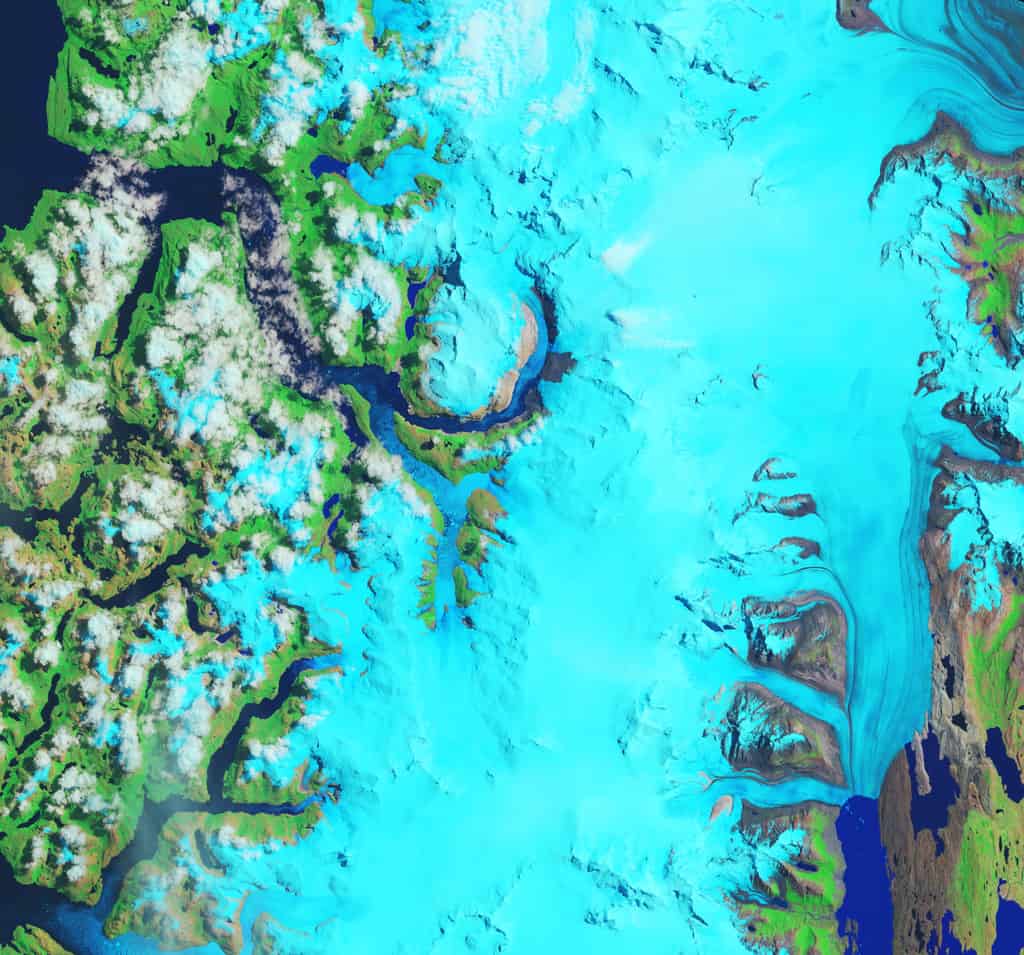
Fastest Thinning Glacier
Hielo Patagónico Sur 12 (HPS-12) in Patagonia is believed to be the fastest thinning glacier in the world.

Earliest Published Research Linking Carbon Dioxide with Global Warming
163 years ago, Eunice Newton Foote was the first scientist to research the link between increased carbon dioxide and a warmer atmosphere.

How Goats in Samothraki are Increasing Landslides
Overgrazing by the island's large goat population has left Samothraki’s hills and valleys unprotected by vegetation, making them vulnerable to landslides and erosion from heavy rainfall and other weather.

Malvinas Current
The Malvinas Current is a cold water current that flows northward along Patagonia's Atlantic coast.

Researchers Find Thriving Bee Populations in Power Line Corridors
Researchers have found that the bee populations located in the power line corridors were nearly ten times as high as the bee populations living in the more forested areas nearby.

How Much Carbon Dioxide are the Oceans Absorbing?
New research shows that the world's oceans, which cover 70% of the planet, absorb more carbon dioxide than previously thought.

This Lake is Home to the Highest Concentrations of Lesser Flamingos in East Africa
The protective salt marshes that ring Lake Natron in Tanzania have nurtured the highest concentrations of lesser and greater flamingos in East Africa.